

The Short Answer
Ranking in Google Maps, specifically in the local three-pack that appears at the top of local search results, comes down to three factors: a fully optimized Google Business Profile, consistent and accurate business information across the web, and a steady stream of authentic reviews. Businesses listed in the Google three-pack receive 126 percent more website traffic and 93 percent more calls and clicks than businesses ranked just outside it, according to Local Falcon data. For Denver service businesses, this is the highest-leverage SEO investment available.
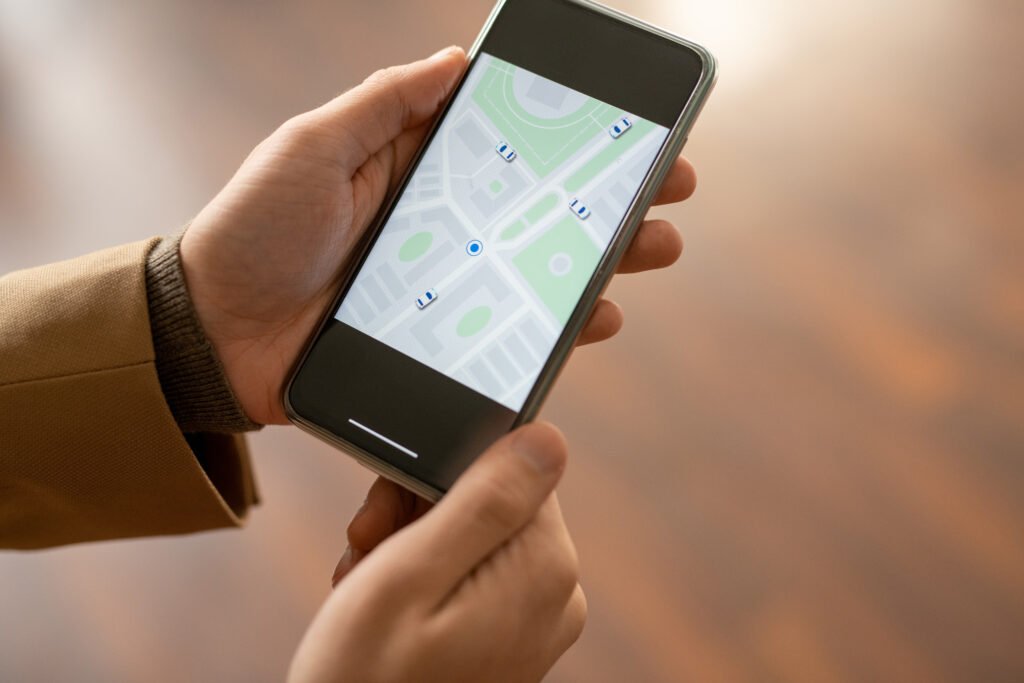
When you search for "Denver electrician" on your phone‚ before you see any links to websites‚ you'll see a map with three businesses listed at the top of the results․
If your business isn't in that set‚ you're invisible to the highest-intent local searchers in Denver: the ones who already know what they want and are looking for someone to call․
Here's what actually determines who gets into that map pack and what it takes to get there․
Google Maps ranking‚ also called local SEO or local pack ranking‚ is the process of optimizing your online presence so your business appears prominently in Google's map-based search results for location-specific queries․ It differs from traditional website SEO in that the most important signals are your Google Business Profile‚ review volume and quality‚ and your geographic relevance to the searcher․ Denver service businesses that rank in the local three-pack capture a disproportionate share of local search traffic compared to those relying on organic website rankings alone․
Because that's where buying decisions happen․
When someone searches "Denver plumber" or "Denver physical therapy near me"‚ they're not doing early-stage research․ They're ready to make a call․ The three businesses in the map pack get that moment․ Everyone below it gets what's left․
According to Backlinko's local SEO research‚ 42 percent of users who perform a local search click on a result within the Google Map Pack․ That click-through rate drops significantly for positions four through ten․
For service businesses that rely on phone calls‚ quotes‚ and in-person appointments‚ local map pack visibility is not a nice-to-have․ It's one of the main growth drivers․
Google uses three main factors to determine local rankings: relevance‚ distance‚ and prominence․
Relevance is the extent to which your business matches what someone is searching for‚ and it's mostly driven by how your Google Business Profile is configured․ A Denver landscaping company that lists only "landscaping" as its primary category is less relevant than one with service area details‚ photos of finished work‚ and a business description listing specific services and neighborhoods served․
Distance is the physical proximity of your business location to the searcher‚ which you can't fully optimize around‚ but you can define a service area in your Google Business Profile that tells Google where your business operates․ This allows Google to surface your business for searches in neighborhoods you aren't physically present in․
Prominence combines review signals‚ citations‚ and overall authority online․ According to Whitespark's Local Search Ranking Factors report‚ review signals comprise approximately 15 percent of local pack ranking factors‚ while Google Business Profile signals account for up to 32 percent․ A business with 120 Google reviews averaging 4․7 stars will consistently outrank a competitor with 15 reviews and an incomplete profile․
What Actually Moves Your Google Maps Position
Google Business Profile Signals
~32%
Category selection, service descriptions, photos, posts, Q&A responses, and completeness of profile.
Review Signals
~15%
Volume, recency, rating, and your responses to reviews. 71% of consumers won't use a business with under 3 stars.
Website + On-Page SEO
Significant
Your linked website's relevance to local search queries. Location-specific content and city/service pages strengthen map ranking.
Citation Consistency
Supporting
Consistent business name, address, and phone across Yelp, BBB, Bing, Apple Maps, and local directories. Inconsistencies hurt trust signals.
CaptivContent — captivcontent.com
For most Denver service businesses‚ reviews are the most underinvested ranking factor‚ and also the most easily improved with a systematic process․
The businesses showing up at the top of Google Maps in Denver are not there by accident․ They have active review acquisition strategies: follow-up emails after service completion‚ SMS review request links‚ staff trained to ask satisfied clients for a Google review‚ and consistent responses to every review posted․
Recency matters as much as volume․ A business with 200 reviews where the most recent is 14 months old will underperform a competitor with 60 reviews and two new ones this week․ Google interprets review recency as a signal of continued business activity․
Responding to reviews‚ including negative ones‚ signals engagement to both Google and prospective customers reading them․ A well-crafted‚ specific reply to a critical review often converts skeptical readers more effectively than a long string of five-star ratings with no context․
With an optimized Google Business Profile and consistent review generation‚ most generalist service businesses in Denver can expect map pack movement within three to six months․ Competitive verticals like real estate‚ legal services‚ and HVAC may take longer depending on how established the current top-three businesses are․
Not necessarily․ Google Maps rankings and organic website rankings are correlated but distinct․ A business with a strong Google Business Profile and solid reviews can rank in the map pack even when its website doesn't rank highly in traditional results‚ though a strong website strengthens map rankings over time․
Your Google Business Profile is the listing that appears in the map pack and knowledge panel when someone searches for your business‚ containing your hours‚ photos‚ services‚ reviews‚ and contact details directly in Google's interface․ An unclaimed or partially filled-out profile is one of the most common reasons Denver businesses don't rank locally․
There's no absolute threshold‚ but most competitive Denver categories require at least 25 to 50 reviews with strong ratings to be competitive․ According to data gathered by Local Falcon‚ 71 percent of consumers won't consider a business with less than a 3-star average‚ making review management a business necessity‚ not just an SEO tactic․
A few negative reviews among many positives have minimal ranking impact and can actually add credibility through authentic feedback․ A pattern of negative reviews left without responses does hurt rankings‚ so the response behavior is often as important as the review content itself․
Citations are mentions of your business name‚ address‚ and phone number across directories‚ review sites‚ and local databases․ Inconsistent information creates confusion for Google and can suppress local rankings․ Citation consistency is foundational work that takes effort once but rarely needs repeating․
They have a complete‚ active Google Business Profile‚ ask every client for a review‚ respond to feedback‚ and publish location-specific content on their website․
None of that is complicated․ Most of it is just consistent․
If you want help building a local SEO foundation that puts you in contention for that map pack‚ that's a conversation worth having․