

The Short Answer
If you need leads this month, start with Google Ads. If you're building a durable marketing engine, invest in SEO. Most Denver service businesses benefit from both, but the order and ratio depend on your runway, competition, and how much of your revenue depends on consistent inbound flow. The mistake isn't choosing one over the other. It's treating them as permanent alternatives instead of a phased strategy.
A Denver contractor lands their first website․ A designer says SEO is a long game․ A nephew who took a marketing class thinks Google Ads will get the phone ringing right away․ The business owner‚ who just wants to stop relying on referrals‚ is stuck between two confident people offering contradictory advice․
Both of them are partially right‚ although neither gave particularly useful advice on sequencing․
Let me explain this decision in a way that doesn't rely on the sales pitch of someone who only sells one of the two․
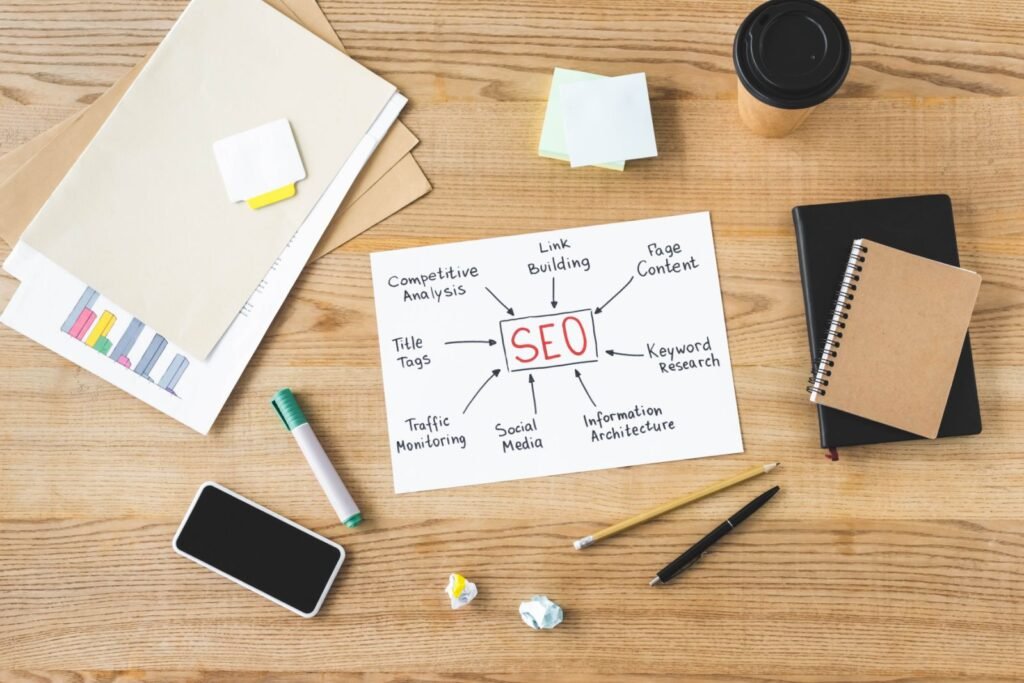
Google Ads is a paid channel in which you pay per click (CPC) for your ad to appear at the top of the search results for select keywords until your budget runs out․ SEO entails earned organic rankings through quality content‚ structure‚ and authority signals․ It takes longer to earn but the resultant traffic does not require continuous ad spend to maintain․ Denver service businesses that understand both can use them together in ways that are far more powerful than either one alone․
As service-based businesses sell relationships‚ their single customer lifetime value may be relatively high․
A Denver accounting firm that gets one new client from Google doesn't just land a single transaction worth $200․ They've established a new relationship with a client worth $2‚000 a year‚ and the math of how much you're willing to pay to get that lead changes․
According to CI Web Group‚ SEO can generate up to 748% return on investment‚ compared to 200% for Google Search Ads․ SEO typically does not produce results for 12 to 24 months before a return on investment starts to happen․ Google Ads can produce $2 for every $1 in the first week․
The question is not which one has better ROI‚ it's which one fits your timeline․
There are three scenarios that justify Google Ads from day one for service businesses in Denver․
You're a new business with no organic presence․ If your website is new‚ Google doesn't trust it yet․ Even if your content is great‚ it can take six to twelve months before you gain a competitive position in organic results․ Google Ads allows your ad to compete immediately on high-intent queries․
Landscaping‚ snow removal‚ HVAC are all seasonal businesses․ SEO results can't be turned on in April for summer demand because the weather dictates when to turn these services on․ Ads can․
You're testing messaging․ Google Ads data tells you exactly which search queries convert․ That information will allow you to create a more precise SEO strategy‚ and many companies run a short Google Ads campaign to discover which keywords actually result in calls so they don't waste months creating content around the wrong keywords․
For three reasons‚ service businesses in Denver should invest in search engine optimization first․
If your business is a relationship-based service‚ like a therapist‚ financial advisor‚ business coach‚ or consultant‚ clients won't necessarily click an ad and call․ They read‚ search‚ compare‚ and learn before they call․ Organic content builds trust in ways ads don't․
You're playing the long game with a finite budget‚ and in Denver where competition is fiercer‚ Google Ads runs anywhere from $10 to $40 per click․ An SEO-based blog post can generate traffic for years without additional costs‚ which makes it more capital efficient when you only have 12 to 18 months to build․
You've already validated your offer through referrals and now want to scale․ SEO takes that sales ability and replicates it with a consistent inbound funnel․ You know your service works; you're just building the pipeline․
Google Ads vs. SEO at a Glance
Google Ads
Speed
Results in days
Avg. ROI
~200%
Longevity
Stops when budget stops
Best for
Fast leads, seasonal demand, new sites
SEO
Speed
Results in 3–12 months
Avg. ROI
~748% over time
Longevity
Compounds over years
Best for
Long-term visibility, brand authority
CaptivContent — captivcontent.com
For most mid-sized service businesses in Denver‚ a phased approach will be the most effective․
Set up a low-budget Google Ads campaign to gain quick leads while identifying which keywords convert․ Use ad revenue to fund the SEO effort while simultaneously building the technical SEO foundation: optimizing existing pages‚ setting up a Google Business Profile‚ and publishing targeted content․ Expect organic traffic to start supplementing paid traffic over six months‚ at which point you can reduce your ad spend․
Any business that follows this path will have a working SEO engine for traffic and leads by month 12‚ and an ad budget becomes optional‚ not required․
Google Ads relies on a monthly budget and stops driving leads the moment a campaign is paused․ SEO involves a time and money investment but continues to work after the investment is made․ Most service-based businesses in Denver spend $1‚000 to $3‚000 each month on managed SEO and significantly more on competitive Google Ads campaigns‚ though both vary widely by market․
Yes‚ and there's data supporting this approach․ Appearing in both organic and paid positions for the same keyword increases click-through rates and reinforces brand credibility․ The redundancy is intentional‚ not superfluous․
For highly competitive local Denver keywords in home services‚ legal‚ or medical industries‚ a reasonable budget would be $2‚000 to $5‚000 a month․ Lower-competition niches can see results on $500 to $1‚000 per month․ Keyword research often matters more than budget level․
Most failed ad campaigns are due to targeting or the landing page experience‚ not the channel itself․ If a user clicks on an ad and is sent to a homepage that doesn't match their search intent‚ the ad won't convert‚ no matter how well it was written․ Audit your traffic and make sure the destination page converts that specific query․
Ads do not directly impact organic ranking‚ but Ads data about which keywords convert‚ what messages resonate with users‚ and what landing pages convert is some of the best SEO research you can conduct․
For most Denver service businesses‚ running both in parallel for the first 12 months is best‚ then adjust the spend ratio as organic traffic builds up․ Few businesses should ever eliminate paid entirely‚ but most should reduce reliance on it as SEO matures․
It's not necessarily an either/or proposition․ Ultimately‚ depending on the business's current revenue stage‚ budget‚ and urgency around lead generation‚ either could generate better results in the initial stages of growth․
If you'd like to explore what that strategy would look like for your specific business and the Denver market‚ let's have a conversation․